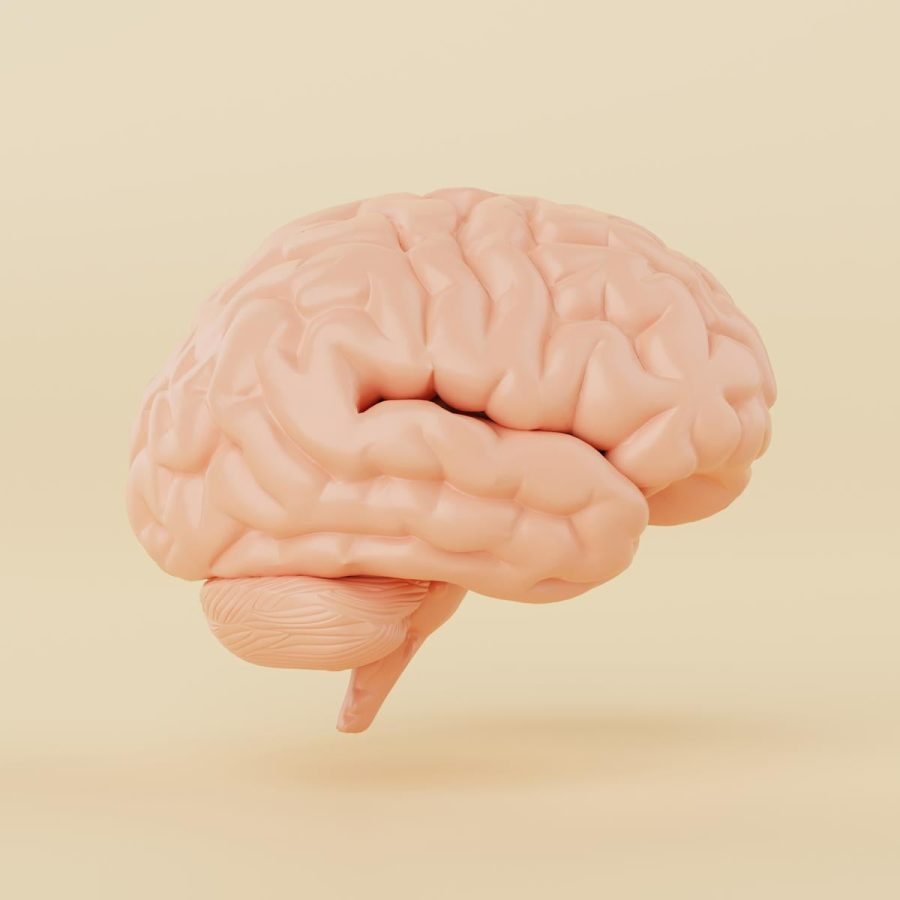
Haven’t we all heard that it’s never too late to learn something new? This is also true if we consider that a child’s learning experience begins from the time they’re in the womb and neuron production begins. Bearing this information in mind, is it possible to tell at what age is the brain fully developed?
Is the brain ever completely developed?
Multiple studies have shown that there is a standardized timeline threaded when it comes to brain development. The first years of someone’s life can actually impact their ability to learn and expand skills throughout their lives.
In general terms, it’s agreed that the brain is fully developed by the time we’re 25 years old. This is because the prefrontal cortex, a section of the brain that is responsible for social connections and behavior, decision making and acknowledgment of our own actions is completely formed by this age.
Of course that adults don’t stop learning after this age stamp: adults’ intelligence and learning skills can still be refined throughout their lives. But it’s worth noticing that 90% of a person’s brain is developed by the age of 5.
Childhood and brain development
There is an established connection between social, emotional and physical skills, because enjoyable social relationships and emotional well-being facilitates the enhancement of cognitive capabilities.
This is why the sooner a child is surrounded by an ambience that stimulates healthy bonding and proper cognitive stimulation, the better.
In fact, the first months and years of our lives might set the internal tone for what learning will feel like for the rest of our days.
More than 1 million new neural connections are created every second during our first years. This process is slowed down later on, but children are still on their peak of soaking up knowledge up until they’re 5 years old.
What factors influence brain development?
This is the time to discuss stimuli. When babies are brought into this world, literally everything is new. So every interaction and object can become a discovering experience.
In practical terms, this means creating opportunities for children, as young as possible, to expand their arrays – consider it in terms of social contact, education, languages, toys’ textures etc.
There are also factors that we already know can impact adult life, but should also be considered to help develop a child’s brain.
- Appropriate nutrition: give the fuel the body needs to support all the child’s biological needs;
- Physical activity: embracing an active lifestyle early on improves brain development and is more likely to have a healthy body, more apt to function appropriately (which also affects our brain function);
- Incentive and caring responses: a nurturing environment, in which mistakes and new adventures are celebrated and embraced, can make a difference in terms of confidence and self development. Naturally, this affects a child’s brain development.
How to stimulate brain development at an early age?
The main objective when it comes to stimulating a child’s brain is diversity and encouragement. Ultimately, you want to make a positive association around learning experiences.
Remember that it’s not about performance and being the best at an activity, but showing the infant that they get a positive reaction out of trying and interacting with something new.
By now, it’s clear that the age in which the brain is fully developed revolves around the mid twenties. In order to boost that, fostering the child’s curiosity and encouraging new learning is paramount to establishing a positive sense of new discoveries. Continue your own investigation around infant education and at what age should your child start kindergarten.